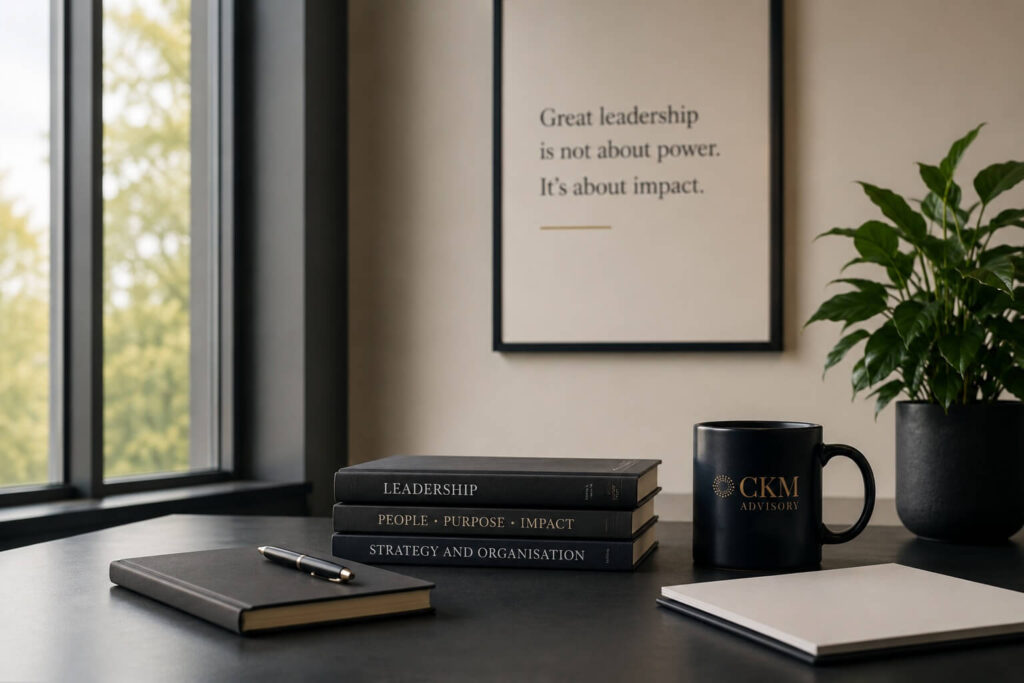
Leadership is often mistaken for authority.
Titles, reporting lines, and organisational hierarchy can create the appearance of leadership, but they do not automatically inspire trust, commitment, or followership. Increasingly, organisations are discovering that leadership effectiveness is shaped less by positional power and more by influence, credibility, and the ability to mobilise people around shared purpose.
This distinction matters.
For much of corporate history, leadership was largely associated with control, command, and decision-making authority. The leader directed, others followed, and organisational success depended heavily on hierarchy and compliance. While elements of accountability and decision authority remain essential, today’s organisational environment is significantly more complex.
Workforces are more diverse, employees are more informed, and organisations operate within rapidly changing social, economic, and technological environments. In such conditions, leadership cannot rely solely on formal authority.
People may comply with authority, but they commit to influence.
This shift has profound implications for leaders.
Influence begins with trust. Teams are more likely to engage fully when leadership demonstrates authenticity, consistency, and transparency. Trust is not established through occasional gestures or carefully curated messaging. It develops through repeated experiences of fairness, reliability, and genuine engagement.
Leaders who influence effectively understand that credibility is earned, not assumed.
Equally important is the ability to listen.
Modern leadership is increasingly defined by curiosity and contextual understanding. Effective leaders create space for dialogue, recognise diverse perspectives, and remain open to challenge and reflection. This does not suggest indecisiveness or the absence of direction. Rather, it reflects the understanding that sustainable decisions are strengthened through insight, inclusion, and thoughtful engagement.
The most respected leaders are often those who balance confidence with humility.
Influence also requires emotional intelligence.
Organisations are, fundamentally, human systems. Strategy, systems, and governance provide structure, but people determine whether change succeeds or fails. Leaders who recognise the emotional dimensions of change, uncertainty, and organisational life are better equipped to navigate complexity and maintain alignment during difficult periods.
This becomes particularly important during times of disruption.
Periods of transformation, restructuring, or crisis test leadership in visible ways. Under pressure, positional authority may secure short-term compliance, but long-term resilience depends on trust and belief in leadership intent. Employees, stakeholders, and partners look not only at what leaders decide, but how they lead through uncertainty.
Leadership presence matters.
Influence is further strengthened by clarity of purpose.
People are increasingly motivated by meaning alongside performance. Organisations that articulate a clear sense of direction and connect strategy to broader organisational and societal value are often better positioned to sustain engagement and commitment. Leaders play a critical role in helping people understand not only what must be achieved, but why it matters.
Purpose creates alignment where authority alone cannot.
Importantly, leadership through influence is not reserved for executives or formal leaders. Influence exists at every level of an organisation. Individuals who demonstrate integrity, expertise, collaboration, and courage often shape culture and outcomes irrespective of title.
This reflects an important reality of modern organisations: leadership is increasingly distributed.
For organisations seeking long-term effectiveness, the question is no longer simply whether leaders possess authority. The more relevant question is whether they inspire confidence, build trust, and create environments where people are willing to contribute their best.
Position may open the door to leadership.
Influence is what sustains it.